
Metal corner tape: straight, crack-free corners
21 July 2026 · GOPEX technical notes
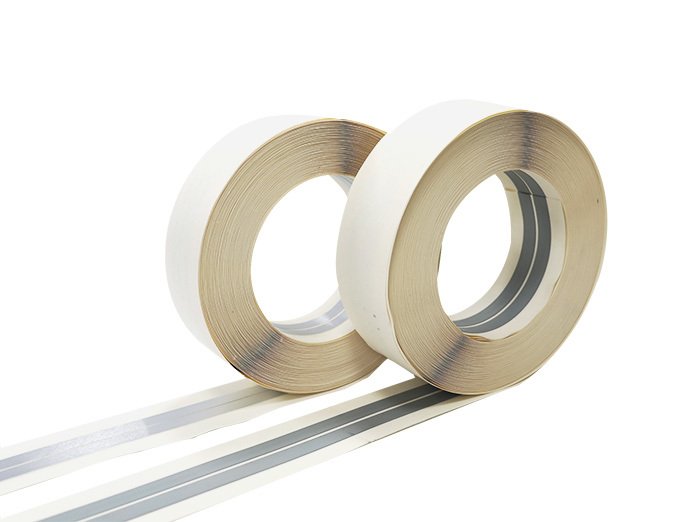
Metal corner tape is unforgiving of bad technique: the steel strips show every kink, and a corner that is not bedded properly will crack along its edge within a season. The method below is the one we recommend to customers specifying our flexible corner tape.
Tools
- Corner taping knife, 100 mm and 250 mm
- Tin snips or a sharp utility knife
- Setting-type joint compound
- Corner trowel or a flexible finishing knife
Step 1: prepare the corner
Cut back any loose board, remove screws that sit proud and dust off the surface. The corner should be dry and sound; the tape bridges small gaps but cannot fix a corner that moves.
Step 2: measure and cut
Measure the full height of the corner and cut the tape with snips, not by bending and snapping, which distorts the steel strips. Cut 20-30 mm longer than needed and trim after bedding.
Step 3: bed the tape
Apply a 3 mm bed of setting compound down both faces of the corner — enough that compound squeezes out through the perforations when the tape is pressed in. Fold the tape on its center line, press it into the corner from the top down, and run the corner knife along both flanges to squeeze out the excess.
Step 4: second coat
Once the bed has set, apply a thin coat over each flange, feathering 150-200 mm out from the corner. Keep the compound off the very tip of the corner: the steel should define the line, not the compound.
Step 5: finish
Sand lightly, then apply the finish coat. Do not sand into the steel strips — a scored strip will rust under paint.
Three mistakes that cause failures
- Dry bedding. Tape pressed on without enough compound cannot bond, and the flange lifts as it dries.
- Cutting by bending. Bending the tape to snap it deforms the strips and leaves a kink that shows in the finished corner.
- Overfilling the tip. Compound on the nose of the corner builds a ridge that is impossible to feather and chips easily.
Choosing the tape
For standard 90-degree corners, 50 mm tape with two galvanized strips is the usual specification. For off-angles, a flexible paper-faced tape folds more cleanly than a stiff mesh-faced one. We supply both, in 30 m rolls, with your own print on the wrap if required.
Related guides.
How to choose the right joint tape for drywall
Mesh, paper or steel-reinforced? A practical comparison of the three joint tapes used on plasterboard, and the jobs each one is actually best at.
Read article 2 September 2026Paper tape vs mesh tape: a contractor's comparison
Strength, speed, build and cost compared side by side — and the four situations where the cheaper option is the wrong one.
Read article 14 May 2026Sourcing drywall tape from China: what to check
What to confirm before placing a container order: specification sheet, packing format, certification documents and the shipping schedule from Shanghai.
Read articleSend your specification. We aim to quote within two working days.
Tell us the product, roll size, packing and destination port. We will confirm the matching construction, the MOQ and the earliest loading date.